


Golden Age [1660 - 1750]
Back to Time Periods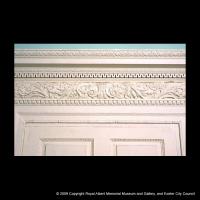




-
The years following the Restoration of Charles II in 1660 saw a spectacular rise in the city’s fortunes; between c. 1680 and 1730 it reached its summit of prosperity. There was a rapid growth in population from around 9-10,000 in 1640 to around 13,000 by the 1680s accompanied by much house-building, especially in the suburbs. In 1700 the city was the fourth or fifth largest in Britain. The basis of prosperity was the flourishing Devon cloth industry, and the development of a major new market for it in the Netherlands, especially at Rotterdam.
-
The years following the Restoration of Charles II in 1660 saw a spectacular rise in the Exeter's fortunes - it peaked between about 1680 and 1730. There was rapid population growth from around about 9,000 in 1640 to around 13,000 by the 1680s. New houses were built, especially in the suburbs. In 1700 the city was the fourth or fifth largest in Britain. This expansion was the result of a flourishing Devon cloth industry, and the development of a major new market for it in the Netherlands, especially at Rotterdam.
-
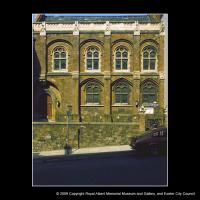
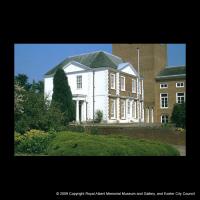
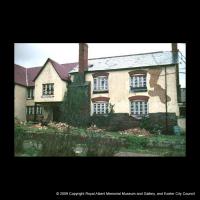
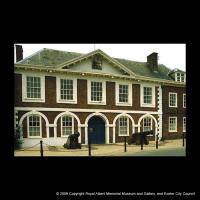
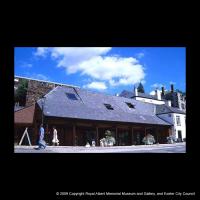
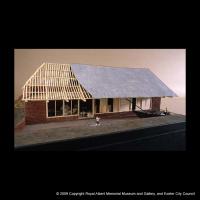
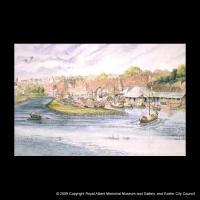
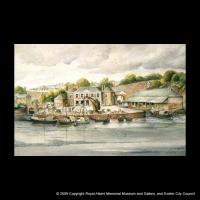
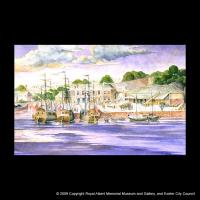
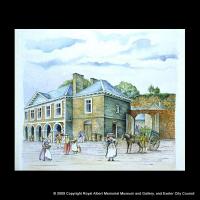
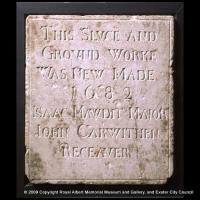
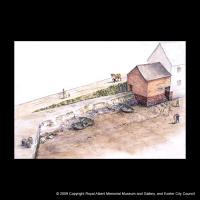
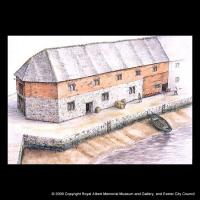
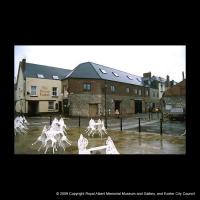
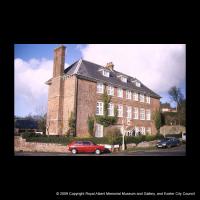
The Custom House, built 1680-1, was designed by the north Devon builder Richard Allen. It formed the centre-piece of the newly remodelled quayside. Within the building were royal customs officials and the city's own customs staff. It reflected the great commercial growth of the late 17th century and is the oldest Custom House standing in Britain. Also built at this time was Quay House. It was designed with a long ‘oversailing' roof along its frontage. This protected cargoes unloaded from the narrow dock which originally ran from the river to the building's frontage.
-
After the Civil War, a period of peace and prosperity followed. The city's defences began to fall into decay.
-
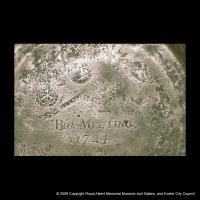
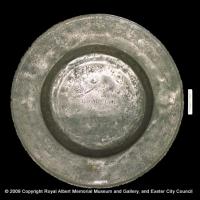
The repression of religion during the Commonwealth was followed by a period of greater religious tolerance after the Restoration of Charles II. In Exeter congregations of Dissenters' gathered at meeting houses, such as the Bow Meeting, and the James and George Meetings.
-
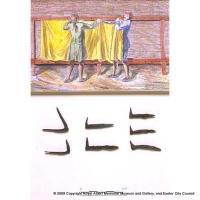
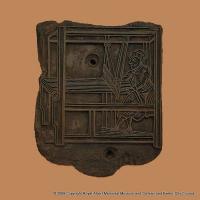
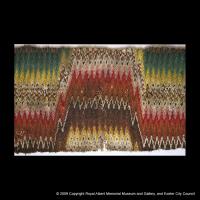
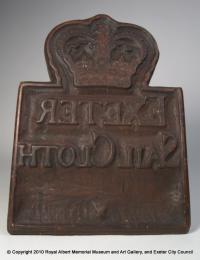
Exeter was a thriving city based on the success of its cloth trade, employing about 60% of the city's workforce at this time. The principal kind of cloth produced was serge - light, hard-wearing and brightly coloured woollen. Celia Fiennes, a traveller who visited the city in 1698 wrote that the Exeter cloth trade ‘turned the most money of anything in England'.
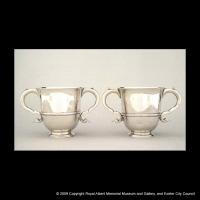
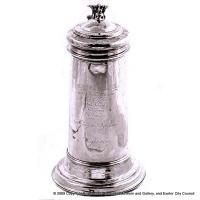
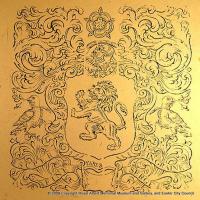
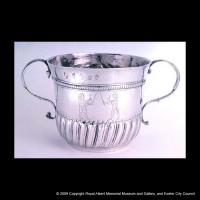
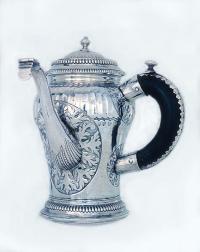
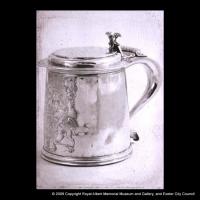
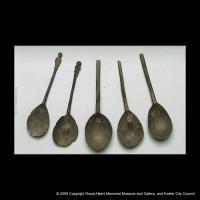
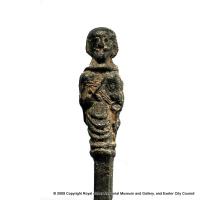
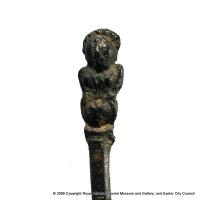
Gold and silver working continued to grow in Exeter, principally producing silver spoons and items for churches. Following a conflict between the Exeter and London goldsmiths an assay office was set up in Exeter in 1701. Shortly afterwards a local goldsmith called John Elston brought London craftsmen to Exeter, who were skilled in making complex objects. His workshop was able to produce much more sophisticated products and was very prolific.
-
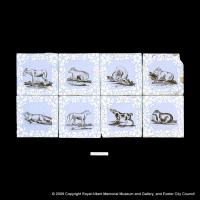
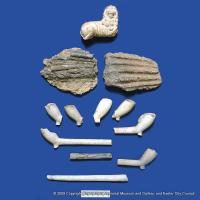
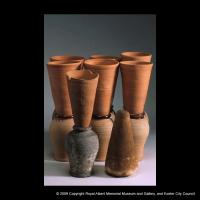
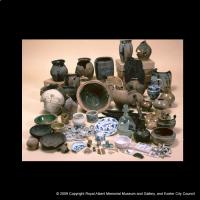
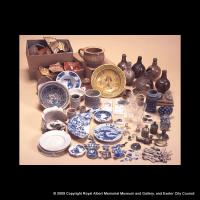
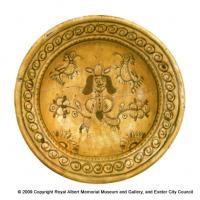
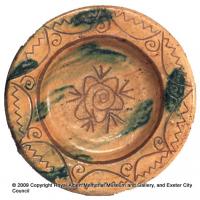
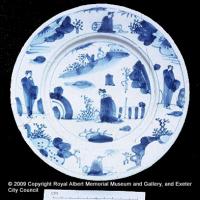
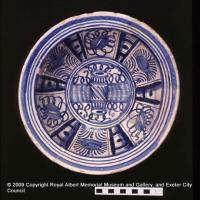
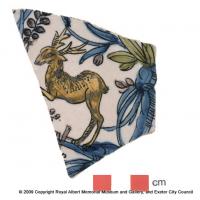
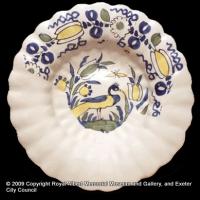
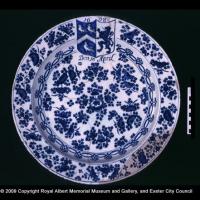
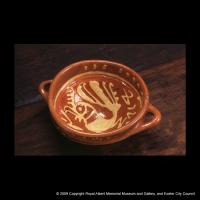
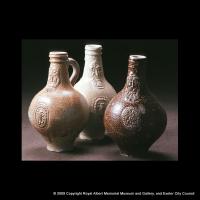
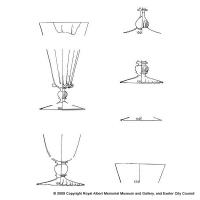
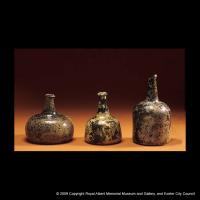
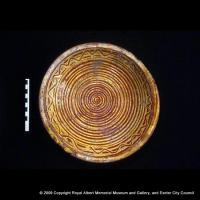
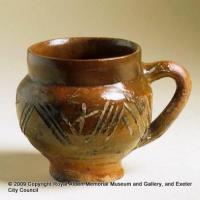
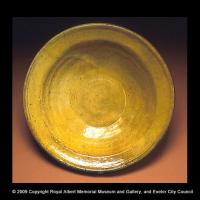
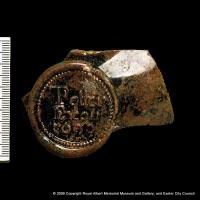
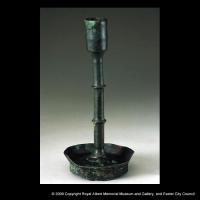
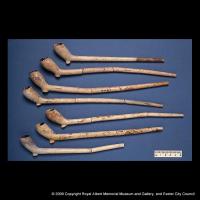
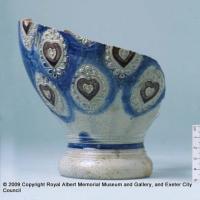
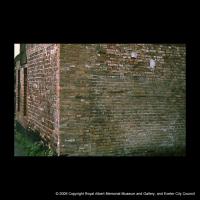
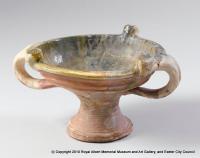
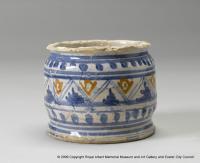
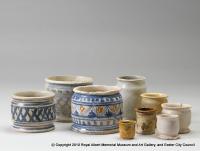
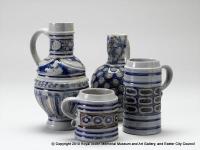
As the city flourished through trade and industry Exeter's residents enjoyed access to a wide range of items for their households and everyday life. Archaeology has revealed expensive pottery and glass imported from Europe, bricks from the Netherlands, and many very decorative pieces of pottery made in North Devon and Somerset.
-
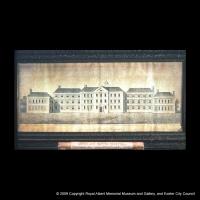
Exeter played an interesting part in the growth of modern medicine with the establishment of the Royal Devon and Exeter Hospital, the second English hospital in the modern sense to be established outside London.
-
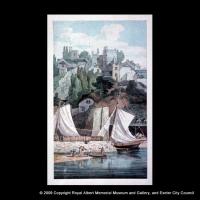
The late 17th century saw a rapid expansion of the city's foreign trade, the central focus now shifting to the Low Countries, especially Rotterdam. Many items for everyday use were brought into the city from the region, especially pottery from South Somerset and North Devon.
The growth of the Atlantic trades was a great feature of the this time. The Newfoundland fish trade had been of great importance to the south Devon ports since Queen Elizabeth's reign, but the boom years around 1700 saw flourishing links with the West Indies, Virginia and New England.
-
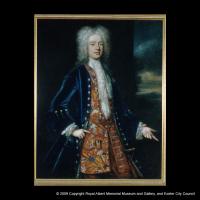
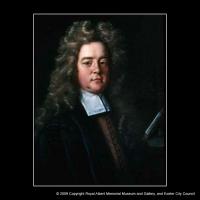
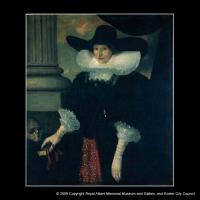
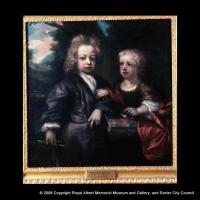
Much evidence for dress in the Golden Age comes from paintings of Exeter's wealthier residents.
-
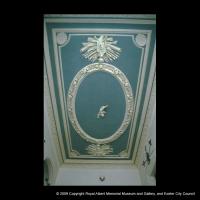
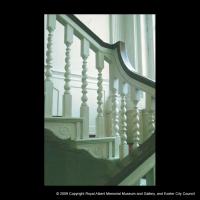
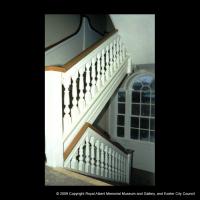
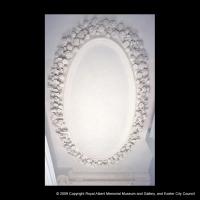
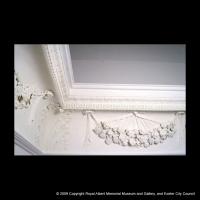
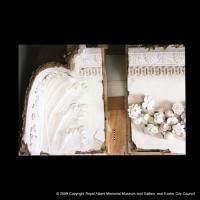
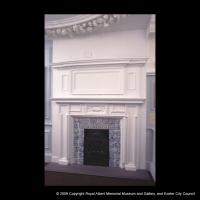
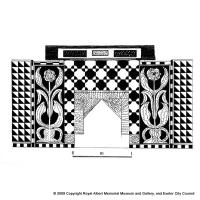
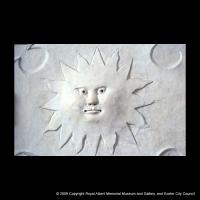
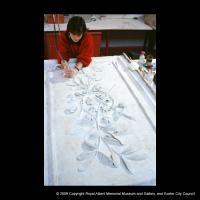
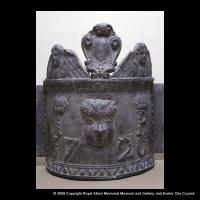
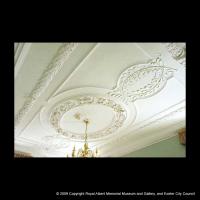
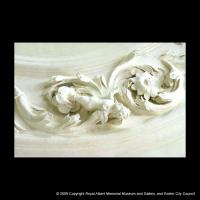
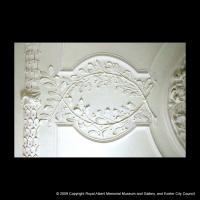
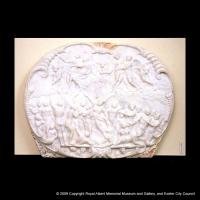
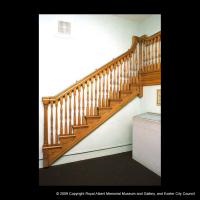
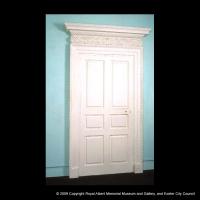
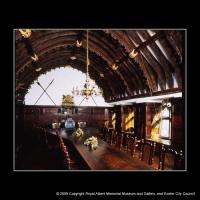
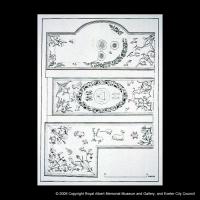
In 1747 lavish improvements were made to the headmaster's house and committee rooms of the Free Grammar School in the High Street. They included a fine staircase, a panelled room with an elaborate doorway and a costly marble fireplace inlaid with motifs in the Adam style. These were salvaged by our museum when the buildings were demolished in the 1930s.