


Roman Fortress [55 - 75]
Back to Time Periods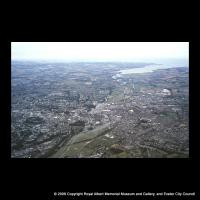
.jpg&w=200)
.jpg&w=200)
_AD_75-79.jpg&w=200)
_desposited_in_the_early_second_century.jpg&w=200)
.jpg&w=200)
_AD_75-79.jpg&w=200)
.jpg&w=200)
_possibley_late_first_century.jpg&w=200)
_Beacon_Lane.jpg&w=200)
_Beacon_Lane.jpg&w=200)
.jpg&w=200)
_possibly_late_first_cenutry.jpg&w=200)
.jpg&w=200)
_and_dagger_(pugio).jpg&w=200)
.jpg&w=200)
.jpg&w=200)
_Later_Gallic_Type.jpg&w=200)
_worn_by_legionary_soliders.jpg&w=200)
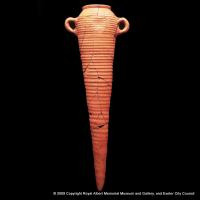
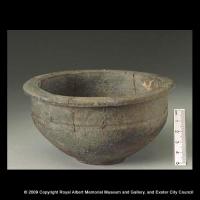
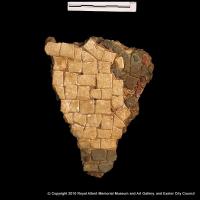
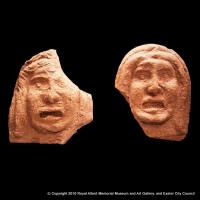
_AD_60-75.jpg&w=200)
-
The Location
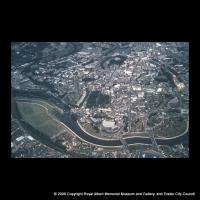
Exeter was founded by the Roman army. Around AD 50-55 the site now occupied by the centre of the city, hitherto simply open farmland, was chosen for a new legionary fortress - the winter headquarters of the Second Augustan legion during its conquest of South-West England. The legion must have been attracted to the site by its commanding position over the lowest crossing place over the river Exe, defended on two sides by steep valleys. Its name Isca was adopted from the ancient Celtic name for the Exe; it simply means water or river. The modern name Exeter developed from this.
The Fortress
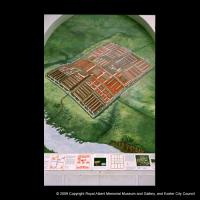
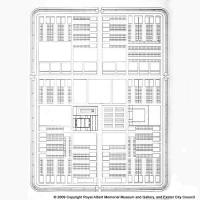
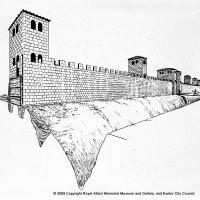
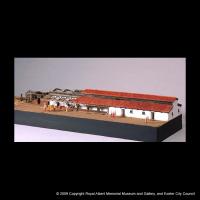
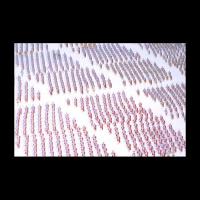
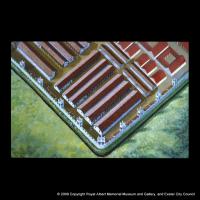
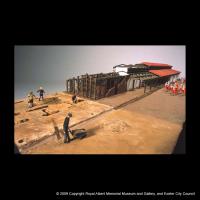
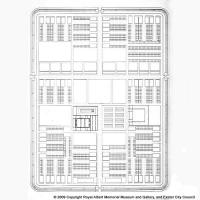
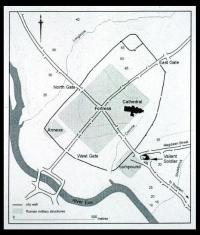
The new fortress was of typical 'playing card' shape - a rectangle with rounded corners - covering an area of 42 acres whose centre was close to the modern crossing of High Street and Fore Street, South Street and North Street. It was defended by a circuit of an earth and timber rampart fronted by a deep ditch, with gates and towers at regular intervals. Within was a grid of streets and densely packed timber buildings which accommodated the 6000 or so soldiers who formed the legion. The fortress provided not only accommodation - long barracks for each century of soldiers, with separate houses for the senior officers - but like a self-contained town catered for all the needs of an army at war: granaries for the corn supply, a hospital for the wounded, a workshop where weapons and armour could be made and repaired, and a bath-house for the soldiers' leisure. Around the edges of the fortress were the barracks in which they were housed; at its centre were more vulnerable buildings, such as the hospital, workshops, granaries and the headquarters building.
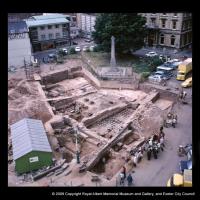
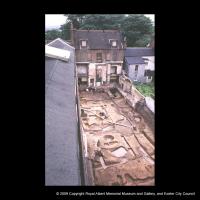
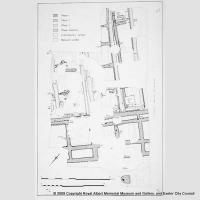
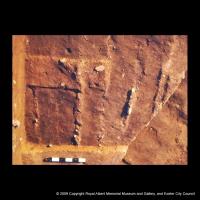
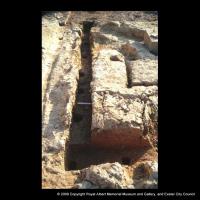
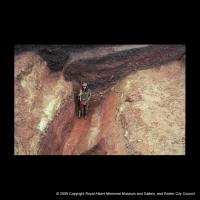
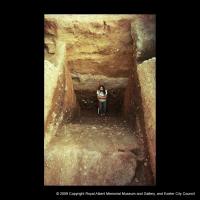
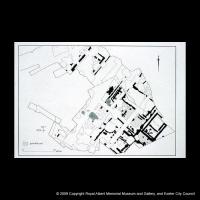
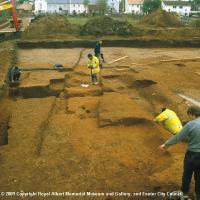
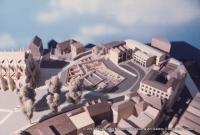
Only a small part of the fortress has been excavated by the city's archaeologists, but sufficient information has been recovered to offer a reconstruction of its layout. Portions of barracks have been recovered on several sites, with parts of granaries, the workshops and other structures.
-
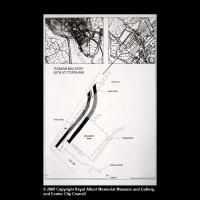
Exeter owes its foundation to the Roman army. Around AD 50-55 they built a fortress where the centre of the modern city now stands. It was the headquarters for the Second Augustan legion and commanded a vital crossing place across the river Exe. The fort was rectangular with round corners containing a grid of streets with timber buildings. It was joined by a road to Topsham, where there was a fort and other buildings, possibly a supply base or port. Other Roman roads ran through Heavitree towards the coast and from Sidwell Street to Whipton, although their precise courses are uncertain.
-
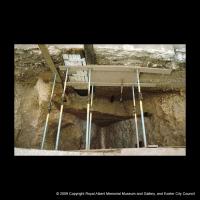
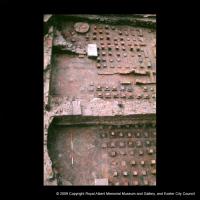
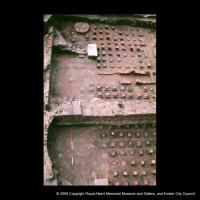
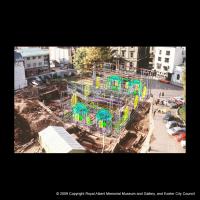
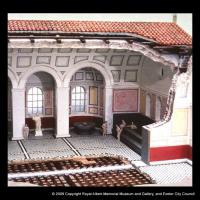
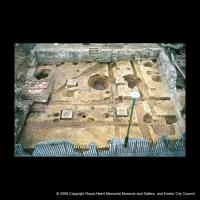
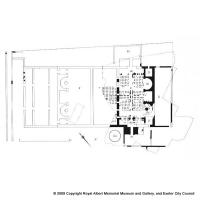
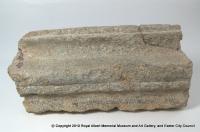
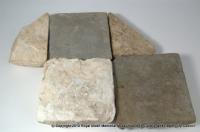
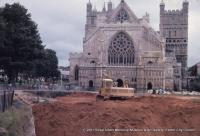
The most impressive discovery from Roman Exeter is the legionary bath-house found under the Cathedral Green in 1971-6. It was built around AD 60 and consisted of three large halls placed side-by-side: the cold room, tepid room and hot room of the bathing suite. The discovery is of national interest, since it is amongst the earliest stone buildings ever erected in Britain. The bath-house was the central element of a complex of buildings, which included changing rooms and an open-air swimming pool, covering an area of about 4000 square metres near the centre of the fortress.
-
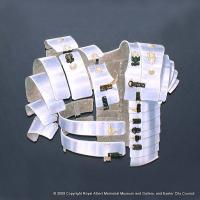
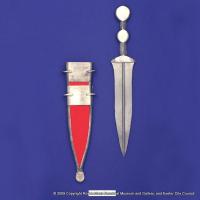
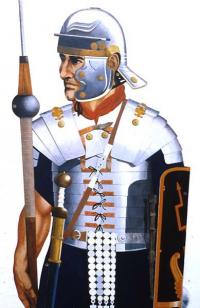
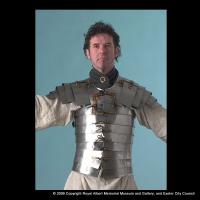
The legion at Exeter would have consisted of perhaps 6,000 men: ten cohorts of soldiers (each of six centuries containing 80 men) plus officers, cavalry and some specialist craftsmen. The legions were the backbone of the Roman army with heavily armed professional foot soldiers dressed in iron armour, equipped with sword and dagger, shield and javelin. The Second Augusta was founded by the Emperor Augustus. It served in Germany before coming to Britain in the invasion of AD 43 and had fought its way westward. The commander in the early stages of the campaign was the future emperor Vespasian, but he returned to Rome before the legion arrived at Exeter.
-
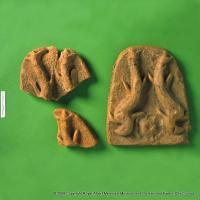
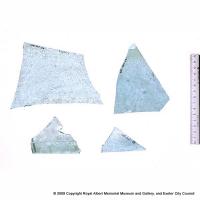
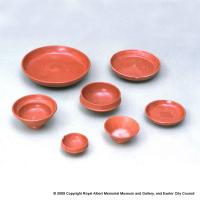
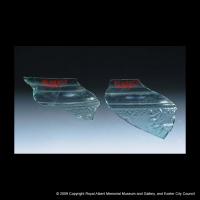
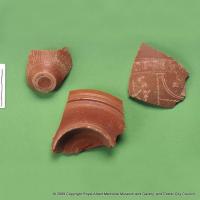
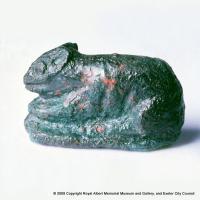
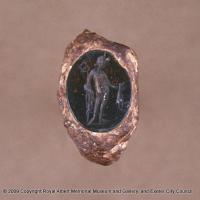
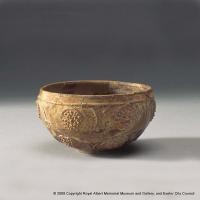
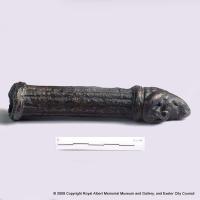
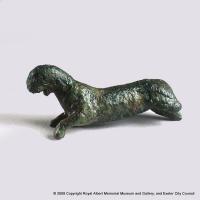
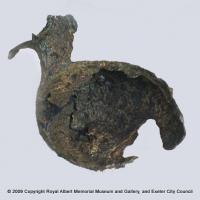
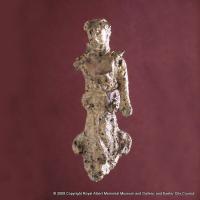
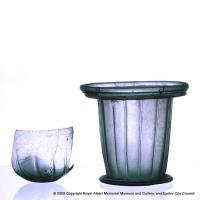
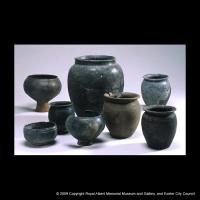
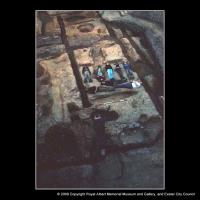
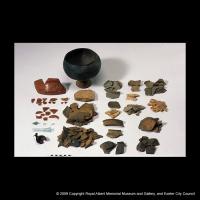
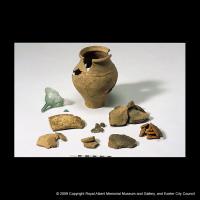
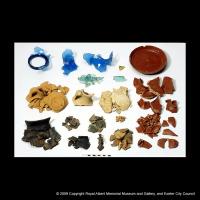
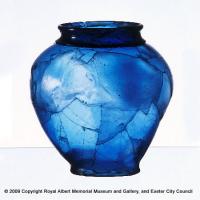
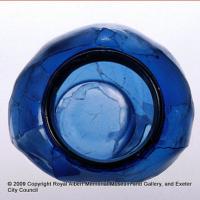
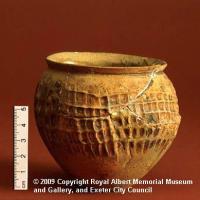
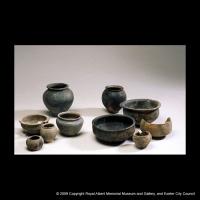
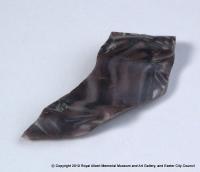
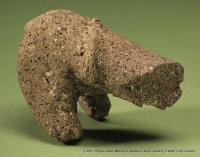
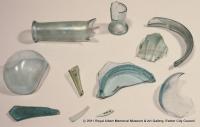
The legionary soldiers were pagans who worshipped many gods and goddesses. Evidence for their beliefs have been found from cremation burials. Several cremations were found outside the legionary fortress on the road to Topsham. The soldiers had been buried with many objects to use in the afterlife including pottery from southern France, gaming counters and rare Roman glass vessels, and metal figurines of goddesses and animals.
-
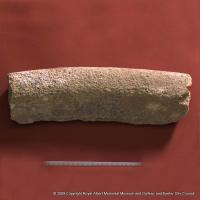
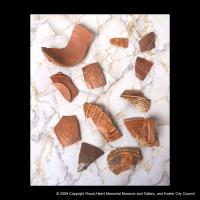
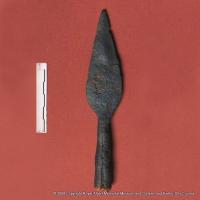
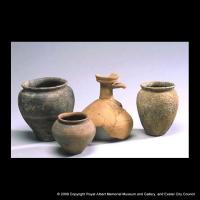
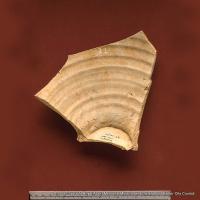
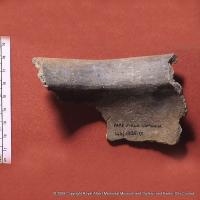
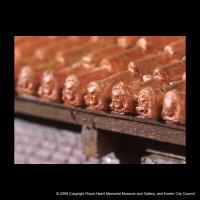
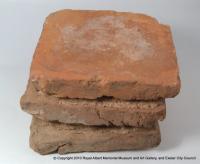
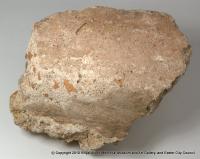
The Roman army brought with them many new skills in craft and industry. They brought new technology for making pottery, the production of tiles for buildings, the quarrying of stone, and even gold and silver-working. Excavations in the city discovered their workshop were metal tools and weapons were made and repaired for the legionary soldiers.
-
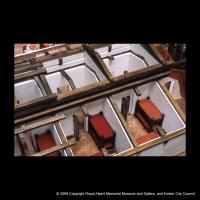
The legionary soldiers of the Roman army were housed in barracks. The barracks were arranged in blocks of six, each block housing the six centuries of a cohort. They were built close to the edges of the fortress so the soldiers could quickly man the defences if attacked. Officers were given more spacious accommodation in individual houses.
-
The Roman army brought many new ideas about healthcare and medicine. Their bath-house in Exeter is one of the earliest known examples in Britain. It shows that the standard of hygiene and physical health brought by the soldiers was far above anything achieved over the next thousand years. The hospital of the Roman fortress, which will have been a large aisled building, has not been discovered, but such a building was a normal component of a fortress at this time.
-
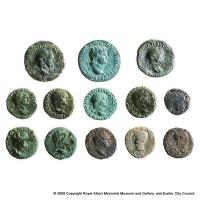
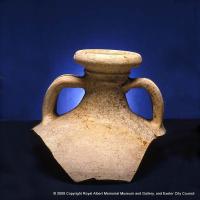
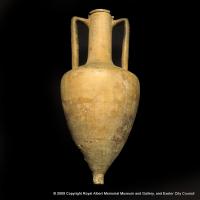
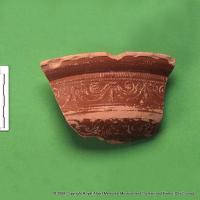
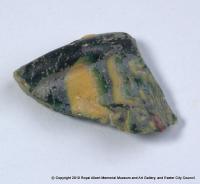
With the arrival of the Roman army a wide range of imports were brought to Exeter. These included food from the Mediterranean, smart pottery from France and glass from the Rhineland. The Romans also introduced coins to the region with their monetary economy.
-
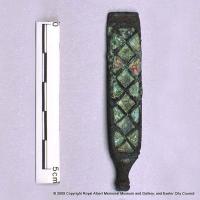
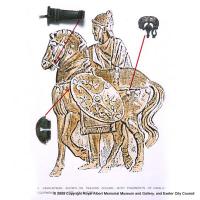
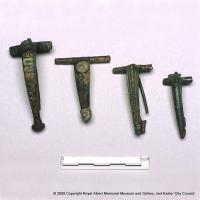
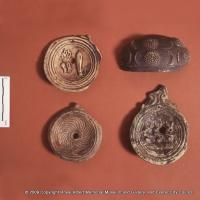
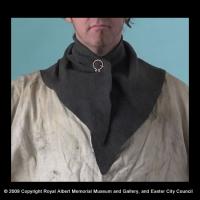
Evidence of the military equipment worn by Roman soldiers is apparent with the discovery of buckles and hooks from their armour. Personal items belonging to the soldiers have also been found from the fortress.
-
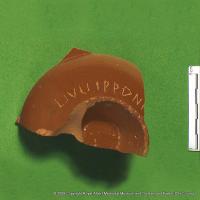
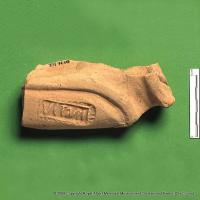
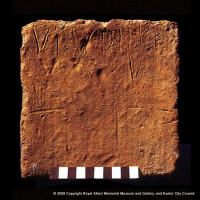
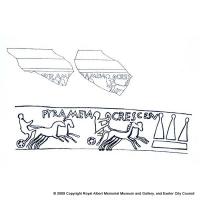
The Roman soldiers were the first people in Devon who were able to read and write. Soldiers would often scratch their names onto their belongings, including the pots they ate from. Archaeological evidence from Exeter suggests they may have taught some of the local people to read and write.